

Practical guidance for navigating the systems that shape your life, finances, and future.
Most of life’s biggest decisions come with rules no one clearly explains.
Hiring a lawyer, choosing insurance, buying a home, dealing with a contractor, challenging a medical bill, protecting an aging parent, or responding to fraud can quickly place an ordinary consumer inside a complicated system built around contracts, deadlines, procedures, and specialized language.
The AskAFriend Consumer Guide Series is designed to make those systems easier to understand and safer to navigate.
Each guide takes a high-stakes consumer topic and breaks it into clear decisions, practical steps, and usable tools. You will learn how the system works, where consumers commonly lose control, which questions to ask, what documents to collect, which warning signs to recognize, and when professional help may be necessary.
These are not books filled with vague advice or simplified lists of tips. They are practical navigation guides built around real consumer situations. Each volume helps you move from uncertainty to informed action with checklists, decision frameworks, plain-English explanations, worksheets, questions to ask, and step-by-step response plans.
The idea behind the series is simple:
You do not need to become an expert in every system. You need to understand enough to ask better questions, recognize danger, protect your interests, and make informed decisions.
That is what these guides are built to help you do.
These books are designed to be end user consumer guides, as well as classroom textbooks. To explore the additional Education Materials available for each book, click here.
⭐ Track 1: Foundational Guides (coming October 2026)
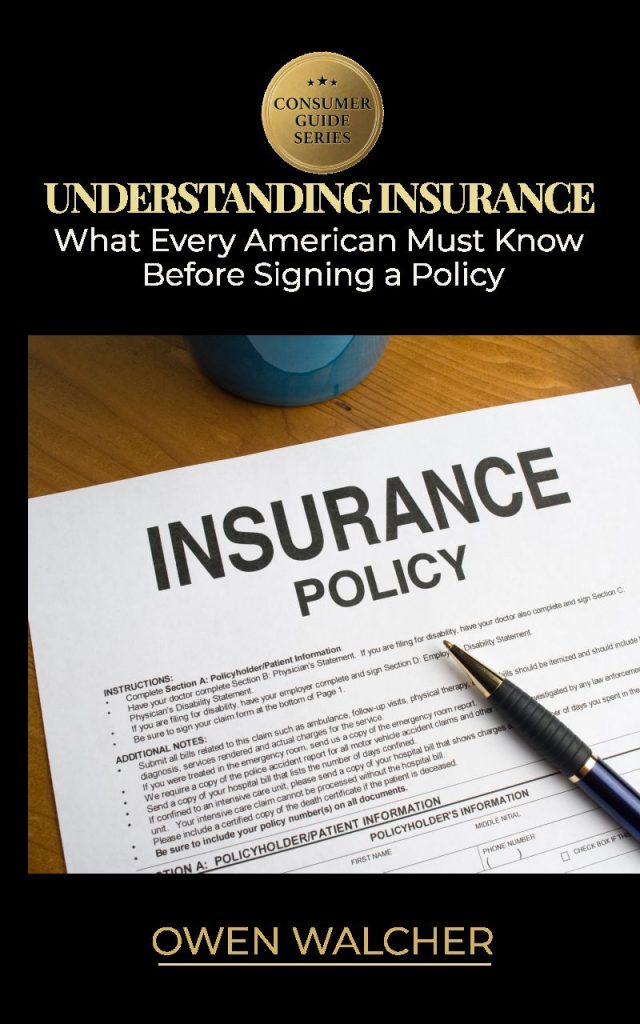
Understanding Insurance
What Every American Must Know Before Signing a Policy
What if the worst time to discover what an insurance policy excludes is the moment you finally need it?
Understanding Insurance is a practical, plain-language guide for consumers comparing policies, reviewing household protection, filing claims, or appealing denials. It connects risk and policy structure, limits and deductibles, property and liability, auto and homeowners coverage, health insurance and EOBs, and life and disability insurance so readers can see what each decision means, what it costs, and what it changes next.
The book favors verification over hype. It helps readers identify the real decision, expose cost and risk, preserve the record, ask sharper questions, and recognize when qualified help is essential. Companion worksheets turn the guidance into dated, reviewable actions for real conversations. The goal is not to make the subject sound simple. It is to make the next responsible step clear enough to take.

Understanding Lawyers
How to Hire the Right Attorney and Navigate the Legal System
What if finding the right lawyer began not with a referral list, but with understanding what problem must be solved, by when, and at what cost?
Understanding Lawyers is a practical, plain-language guide for consumers deciding whether they need a lawyer, preparing to hire one, or managing an existing matter. It connects legal triage, rights and remedies, deadlines and evidence, self-help and negotiation, small claims, and finding and screening lawyers so readers can see what each decision means, what it costs, and what it changes next.
The book favors verification over hype. It helps readers identify the real decision, expose cost and risk, preserve the record, ask sharper questions, and recognize when qualified help is essential. Companion worksheets turn the guidance into dated, reviewable actions for real conversations. The goal is not to make the subject sound simple. It is to make the next responsible step clear enough to take.

Consumer Fraud
Protect Yourself from Scams and the Shadow System
What if the difference between a contained scam and a life-changing loss is knowing what to do in the first hour—and what not to erase?
Consumer Fraud is a practical, plain-language guide for consumers and families trying to prevent fraud, respond quickly, or rebuild after a loss. It connects scam recognition, payment fraud, identity theft, credit reports and freezes, debt collection, and online accounts so readers can see what each decision means, what it costs, and what it changes next.
The book favors verification over hype. It helps readers identify the real decision, expose cost and risk, preserve the record, ask sharper questions, and recognize when qualified help is essential. Companion worksheets turn the guidance into dated, reviewable actions for real conversations. The goal is not to make the subject sound simple. It is to make the next responsible step clear enough to take.

Understanding Money
How to Budget, Borrow, Bank, Build Credit, and Take Control of Your Financial Life
Do you really know where your money is going, what your debt is costing you, or whether the financial decisions you make today are helping or hurting your future?
Understanding Money takes the mystery out of personal finance. Instead of telling you which bank, credit card, loan, or financial product to choose, it shows you how the system works so you can make those decisions for yourself. Learn how to build a budget that survives real life, create financial stability, understand credit scores and loans, use credit cards without falling into traps, manage debt, save for goals, protect yourself from fraud, and make smarter major purchases.
Money is a system, and systems can be learned. You do not need a finance degree or a high income. You need to understand the rules, recognize the traps, and know what questions to ask before you sign.
⭐ Track 2: Major Transaction Guides (coming November 2026)

Real Estate Transactions
Your Complete Guide to Buying and Selling a Home
What if a home transaction became safer when every promise, contingency, deadline, and dollar had one visible place to live?
Real Estate Transactions is a practical, plain-language guide for home buyers and sellers navigating agents, lenders, inspections, disclosures, offers, and closing. It connects property status and neighborhood research, agency and representation, listing agreements, mortgage comparison, offers and contingencies, and inspections and due diligence so readers can see what each decision means, what it costs, and what it changes next.
The book favors verification over hype. It helps readers identify the real decision, expose cost and risk, preserve the record, ask sharper questions, and recognize when qualified help is essential. Companion worksheets turn the guidance into dated, reviewable actions for real conversations. The goal is not to make the subject sound simple. It is to make the next responsible step clear enough to take.

Buying a Car
Your Guide to Vetting Vehicles, Navigating Dealerships, and Avoiding Hidden Traps
What if the most important number in a car deal is not the monthly payment, but the total amount you will spend from research through ownership?
Car Buying is a practical, plain-language guide for buyers comparing new or used vehicles, financing, trade-ins, warranties, and dealer paperwork. It connects budget and ownership cost, needs and vehicle research, history and inspection, test drives and recalls, financing and credit, and price negotiation so readers can see what each decision means, what it costs, and what it changes next.
The book favors verification over hype. It helps readers identify the real decision, expose cost and risk, preserve the record, ask sharper questions, and recognize when qualified help is essential. Companion worksheets turn the guidance into dated, reviewable actions for real conversations. The goal is not to make the subject sound simple. It is to make the next responsible step clear enough to take.

Home Remodeling
Your Guide to Hiring Contractors and Not Getting Ripped Off
What if the best protection in a remodel was not finding a perfect contractor, but building a project that makes cost, scope, proof, and responsibility impossible to hide?
Home Remodeling is a practical, plain-language guide for homeowners planning, contracting, financing, or managing residential construction. It connects scope and budget, contractor vetting, bid comparison, contract clauses, permits and insurance, and payments and liens so readers can see what each decision means, what it costs, and what it changes next.
The book favors verification over hype. It helps readers identify the real decision, expose cost and risk, preserve the record, ask sharper questions, and recognize when qualified help is essential. Companion worksheets turn the guidance into dated, reviewable actions for real conversations. The goal is not to make the subject sound simple. It is to make the next responsible step clear enough to take.
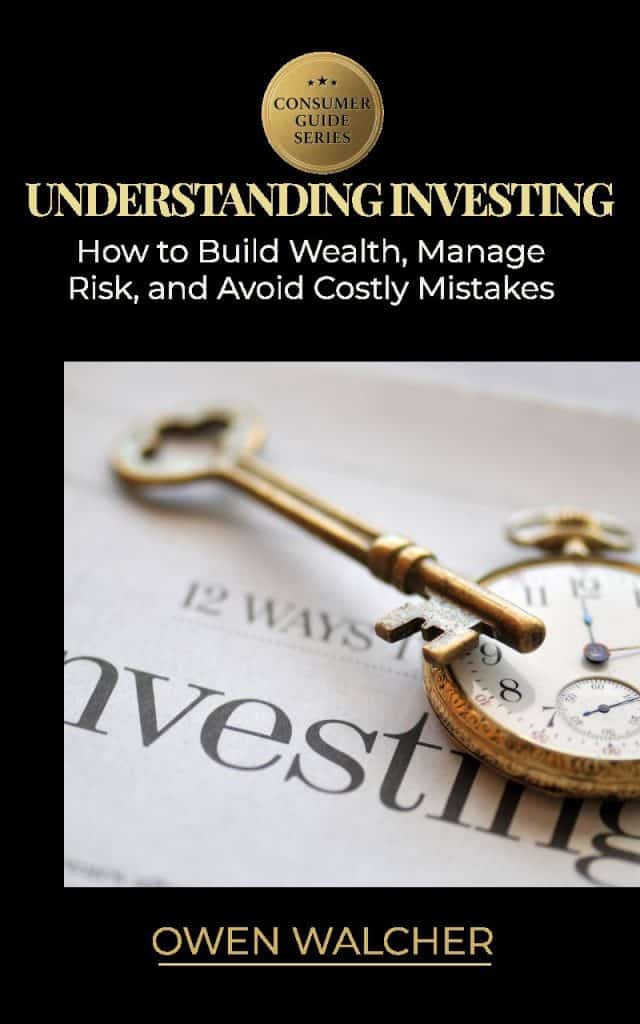
Understanding Investing
How to Build Wealth, Manage Risk, and Avoid Costly Mistakes
What if successful investing depended less on predicting the next winner and more on building a plan you can actually keep?
Understanding Investing is a practical, plain-language guide for new and experienced investors who want principles instead of predictions. It connects investor readiness, risk and return, stocks and bonds, funds and fees, account types, and asset allocation so readers can see what each decision means, what it costs, and what it changes next.
The book favors verification over hype. It helps readers identify the real decision, expose cost and risk, preserve the record, ask sharper questions, and recognize when qualified help is essential. Companion worksheets turn the guidance into dated, reviewable actions for real conversations. The goal is not to make the subject sound simple. It is to make the next responsible step clear enough to take. The result is a decision process the reader can reuse as circumstances change.
⭐ Track 3: Life-Stage Guides (coming December 2026)

Healthcare Advocacy
How to Navigate Doctors, Hospitals, Insurance, and Get the Care You Deserve
What if better healthcare decisions began with a record so clear that every clinician, insurer, and caregiver could see the same problem?
Healthcare Advocacy is a practical, plain-language guide for patients and caregivers who need to navigate clinical care, coverage, and transitions. It connects visit preparation, shared decision-making, clinician and facility selection, medical records, HIPAA and caregiver access, and bills and EOBs so readers can see what each decision means, what it costs, and what it changes next.
The book favors verification over hype. It helps readers identify the real decision, expose cost and risk, preserve the record, ask sharper questions, and recognize when qualified help is essential. Companion worksheets turn the guidance into dated, reviewable actions for real conversations. The goal is not to make the subject sound simple. It is to make the next responsible step clear enough to take.

Divorce & Money
Protect Your Assets, Kids, and Future When Splitting Up
What if the most expensive divorce mistakes happen before anyone realizes a financial decision has already been made?
Divorce and Money is a practical, plain-language guide for people who need to protect financial stability while a marriage is ending. It connects first-month protection, professional team, financial disclosure, hidden assets, health coverage, and the marital home so readers can see what each decision means, what it costs, and what it changes next.
The book favors verification over hype. It helps readers identify the real decision, expose cost and risk, preserve the record, ask sharper questions, and recognize when qualified help is essential. Companion worksheets turn the guidance into dated, reviewable actions for real conversations. The goal is not to make the subject sound simple. It is to make the next responsible step clear enough to take. The result is a decision process the reader can reuse as circumstances change.

Retirement Navigation
Smart Strategies for Social Security, Medicare, and Retirement Income
What if retirement planning became clearer once Social Security, Medicare, taxes, income, housing, and family continuity were treated as one system?
Retirement Navigation is a practical, plain-language guide for people approaching retirement, current retirees, couples, and family decision-makers. It connects retirement timing, Social Security, Medicare, retirement accounts, withdrawal and tax strategy, and RMDs and Roth conversions so readers can see what each decision means, what it costs, and what it changes next.
The book favors verification over hype. It helps readers identify the real decision, expose cost and risk, preserve the record, ask sharper questions, and recognize when qualified help is essential. Companion worksheets turn the guidance into dated, reviewable actions for real conversations. The goal is not to make the subject sound simple. It is to make the next responsible step clear enough to take. The result is a decision process the reader can reuse as circumstances change.

Elder Care Advocacy
Navigating Long-Term Care, Medicaid, and Aging at Home
What would change if your family knew which questions to ask before the next elder-care decision became a crisis?
Elder Care Advocacy is a practical, plain-language guide for older adults, adult children, caregivers, and families coordinating care under pressure. It connects aging in place, caregiver technology, care management, legal proxies, Medicaid long-term care, and veterans and insurance benefits so readers can see what each decision means, what it costs, and what it changes next.
The book favors verification over hype. It helps readers identify the real decision, expose cost and risk, preserve the record, ask sharper questions, and recognize when qualified help is essential. Companion worksheets turn the guidance into dated, reviewable actions for real conversations. The goal is not to make the subject sound simple. It is to make the next responsible step clear enough to take.
**Suggested button:**
⭐ Who This Series Is For
- Students preparing for adulthood
- Families managing everyday responsibilities
- Teachers and schools needing real‑world curriculum
- Community programs and adult‑education centers
- Anyone who wants to avoid costly mistakes and make informed decisions
The goal is simple: Give people the clarity and confidence to navigate life with their eyes open.